
Life Lessons Through Treating the Person, Not the Injury
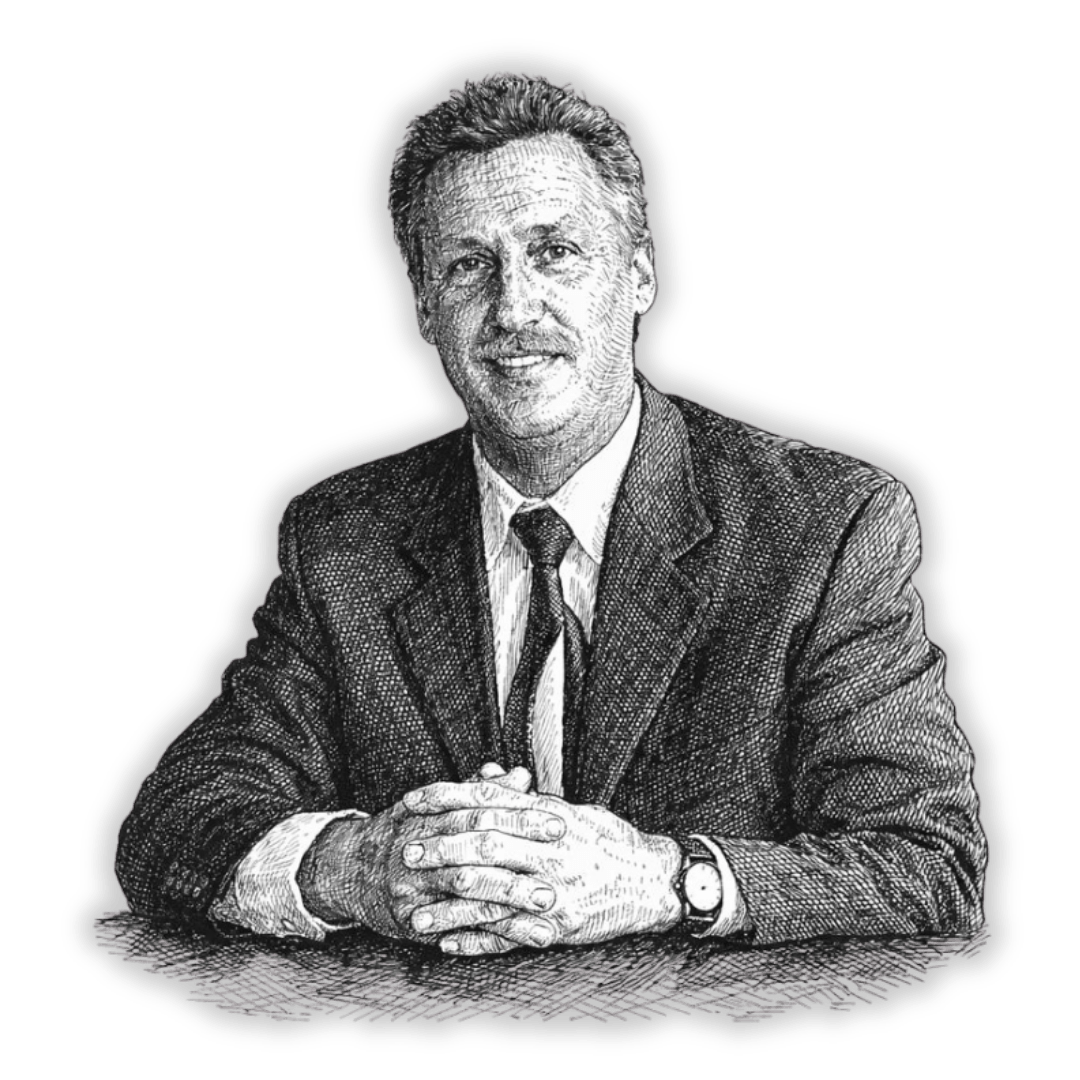
There are mentors who teach you what to do, and then there are mentors who quietly show you how to be. Long before I ever stood in front of a faculty, addressed a national audience, or was entrusted with leading Staten Island Technical High School, I was a young man on Staten Island in the 1990s, convinced my future lived squarely in the world of physical therapy. And at the center of that formative chapter stood Dr. Larry Kopelman.
Larry was never “just” a physical therapist. He was a visionary practitioner, a systems thinker, a relentless learner, and above all, a deeply human-centered professional. At HealthWorks on Staten Island, he created something that felt different the moment you walked in. This wasn’t a clinic that merely treated injuries. It was an ecosystem. A place where people were seen, understood, challenged, supported, and trusted.
What struck me early on was how differently Larry thought. He didn’t default to one modality, one device, one script. He worked fluidly across high-tech, low-tech, and no-tech approaches, always asking the same essential question: What does this person need right now to heal, to grow, to move forward? That question, deceptively simple, became a throughline for me for the rest of my life.
HealthWorks was years ahead of its time. I was exposed to technologies and tools that felt futuristic in the 1990s. Cybex systems. The ARCON advanced biomechanical analytics platform. Biofeedback technologies. Electromagnetic tectonic magnetic therapy, the same class of technology used by NASA to accelerate tissue recovery, reduce inflammation, and support healing after trauma. Acupuncture and Eastern medicine weren’t add-ons or novelties. They were thoughtfully integrated layers of care, grounded in research, curiosity, and humility, and always help me tickle that nerdy geek-itch that I’ve always had.
But here’s the truth that matters most; the technology never led. The human did.
Larry modeled a philosophy I didn’t yet have language for but would later spend decades articulating in education, leadership, and AI conversations. Tools matter. Systems matter. Innovation matters. But they only matter when they are in service of people. Larry treated patients as partners. He treated problems as puzzles worth respecting. And he treated his staff not as employees, but as an extended family bound by purpose, trust, and shared responsibility.
What deepened that influence even further was Larry’s identity as a lifelong learner. At no point did he ever act as if he had “arrived.” Over the years, he continued to pursue additional degrees, certifications, and advanced study, expanding his understanding of physical therapy, pain management, alternative medicine, and human wellness. Each new credential wasn’t about prestige. It was about perspective. About sharpening his craft, questioning his assumptions, and staying intellectually and professionally alive. Watching him return to learning again and again, even as an established and respected clinician, quietly taught me that growth is not a phase of a career. It is a stance.
That posture toward learning, toward humility, toward never being finished, left a permanent imprint on me.
Watching how he cared for his coworkers left a second, equally powerful imprint. The culture he cultivated translated directly into better care, better outcomes, and better experiences for patients. There was joy in the work. Ownership in the mission. Psychological safety before we ever used the term. Larry understood something fundamental: workforce experience and patient experience are inseparable.
I didn’t know it then, but I was absorbing a leadership blueprint.
That blueprint followed me everywhere. It influenced how I thought about systems. How I approached problem-solving. How I learned to sit comfortably at the intersection of innovation and empathy. It directly led to my later work teaching Advanced Human Assessment technologies in the Physical Therapy Department at the College of Staten Island. It shaped how I came to believe that rigor and care are not opposites, but partners.
And years later, when I found myself entrusted with leading Staten Island Technical High School, that same blueprint resurfaced. The desire to create a place where high-tech, low-tech, and no-tech coexist. Where people are centered before products. Where innovation amplifies humanity rather than replacing it. Where staff culture, student voice, and community trust are not “soft” priorities, but structural ones.
Much of what I am privileged to do today, as a nationally recognized education leader and advocate for human-centered innovation, can be traced back to those early HealthWorks days and the quiet mentorship Larry offered simply by being who he was.
Larry Kopelman was future-ready before the phrase existed. He was integrative before it was trendy. He was human-centered before it was framed as a framework. And he was generous with his thinking, his trust, and his time.
This Mentor Moment is, above all, a thank you.
Thank you, Larry, for modeling curiosity without ego.
Thank you for showing that learning never ends, no matter how accomplished you become.
Thank you for proving that technology should kneel to humanity, not the other way around.
Thank you for building a workplace that felt like a calling.
And thank you for helping shape a version of me I had not yet imagined, but one I now recognize clearly.
Some mentors teach you skills. The rare ones help you build a philosophy you’ll spend a lifetime honoring.
Thank you, Larry!
 MarkErlenwein.com